

Steps of IVF Process
February 15, 2021
In vitro fertilization (IVF) works by removing eggs, extracting sperm cells, and then manually combining the eggs and sperm in a laboratory dish. The embryo is then transferred to the uterus.
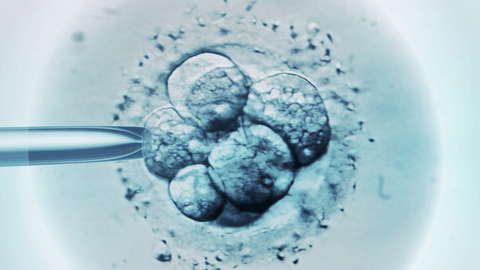
Ovarian Stimulation
During the first step, a woman takes medication so that healthy eggs are produced. Most months, women make only one egg, but with IVF, they stimulate 10-15 eggs to increase their chances of becoming pregnant.
Egg Retrieval
The next step of IVF treatment involves the harvesting of eggs. Egg retrieval is done while a woman sleeps under a general anesthetic. Once completed, an embryologist examines the eggs under a microscope to count them.
Fertilisation
The next thing that happens is the fertilization of eggs and sperm. The timing is crucial here. The eggs are retrieved, and then, after a few hours, they're fertilized with sperm. There are two ways to fertilize an egg: Conventional insemination or ICSI. In conventional insemination, the sperm is placed in a dish containing an egg to allow them to fertilize on their own. In ICSI, one sperm is injected into the cytoplasm of a fertilized egg using a needle.
Blastocyst Culture
Once the sperm fertilizes the egg, it becomes an embryo. The embryo is then placed in a unique incubator by embryologist, where the embryo is provided with the proper condition to develop and grow. Adequate monitoring of the embryo is done for 5-6 days.
Embryo Transfer
The final step is Embryo Transfer. Once the embryo develops to the blastocyst stage, it is implanted into the uterus using a small tube called Catheter. It usually takes place within 3-5 days after fertilisation. Once the embryo is transferred to the uterus, it is allowed to the implant, and a blood test is carried on after two weeks to measure the hormone HCG.


We want to give you 10% discount for your first order,
Use discount code at checkout

We want to give you 10% discount for your first order,
Use discount code at checkout